
The course Wildlife Biology (15 ECTS) takes place every September–October at Grimsö Wildlife Research Station, SLU. Its focus on Scandinavian wildlife, combined with its course structure, makes it popular, and over the years many students have returned for Master’s and PhD studies and/or gone on to work as wildlife managers at County Administrative Boards and elsewhere.
The course combines teaching and field exercises to strengthen students’ knowledge and understanding of various species, methods and data types, as well as the role of human activities in wildlife management. Besides lectures on wildlife and management issues, students practise survey techniques and get to know different landscape types through excursions. Lectures are given by active wildlife researchers, and representatives from, for example, the Swedish Environmental Protection Agency present management practices and the administrative organization from the regional to the European level.
Another part of the course consists of short-term projects in which student groups combine literature, data and field studies to explore species- or management-related topics. SITES monitoring data are often used in these projects, both because they are easily available and because long-term data are often needed to reveal relevant aspects of the relationships studied.
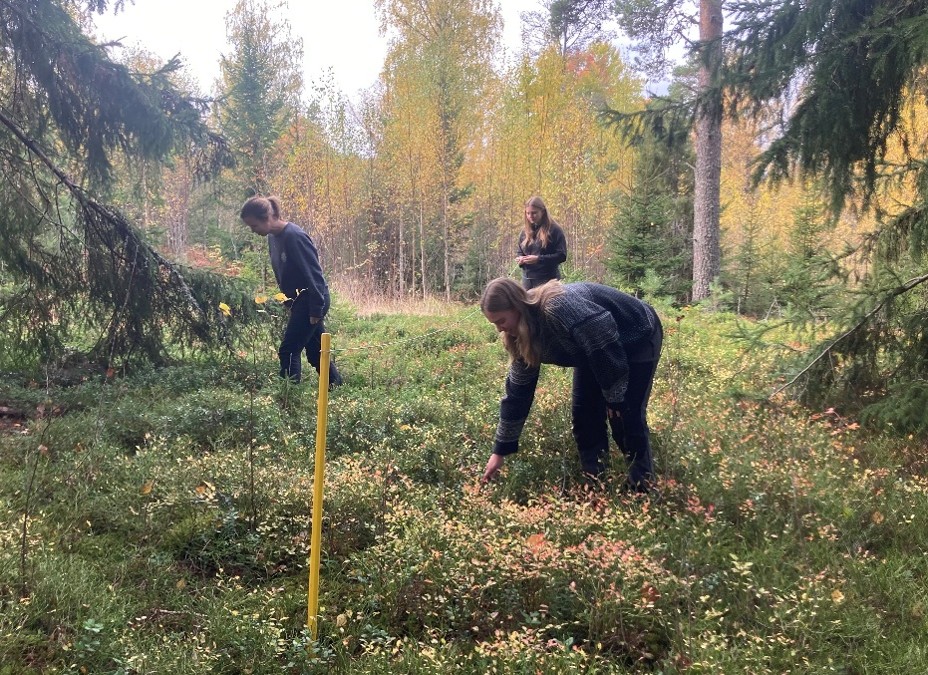
Students at Grimsö training on a nationally applied pellet count method, also used in the SITES monitoring, to estimate herbivore wildlife population sizes (Photo: Gunnar Jansson)
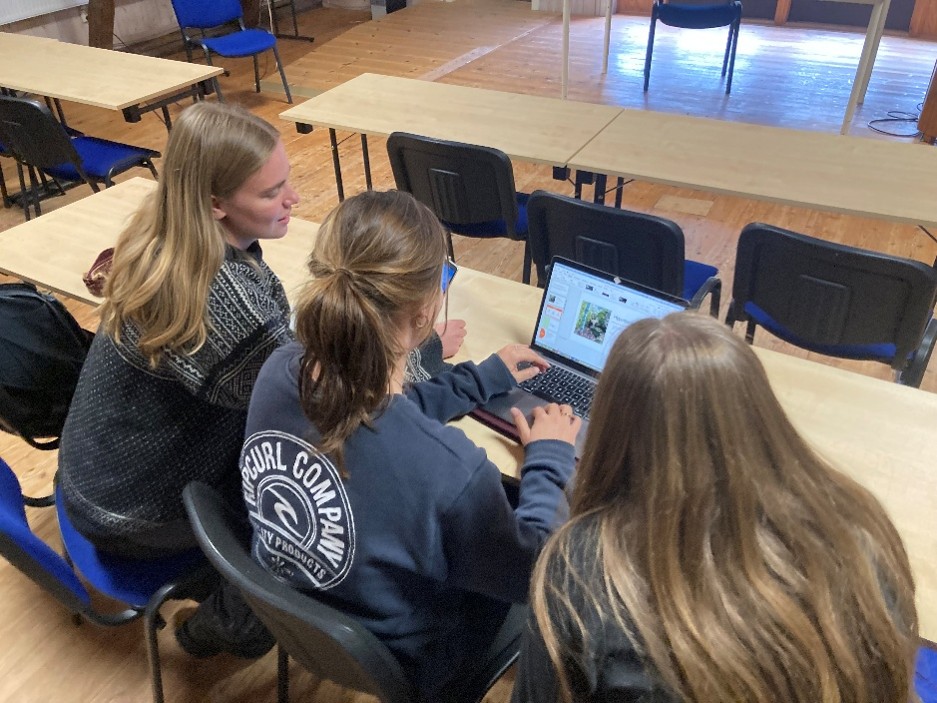
Students working on their group project, in this case analyzing SITES data on red fox reproduction to assess potential patterns of preferred den types (Photo: Gunnar Jansson)